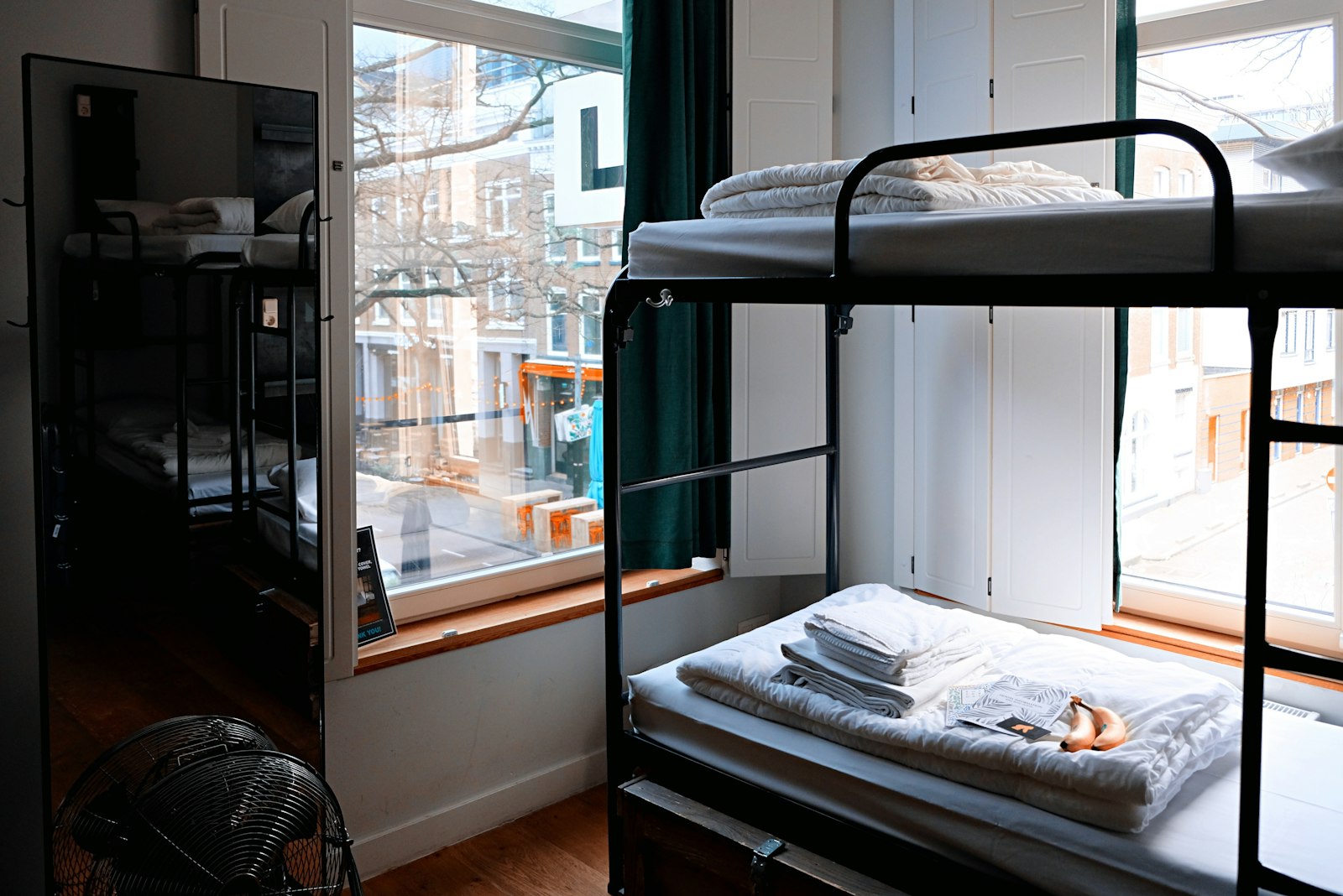
Student Accommodation Guide 2026: Halls vs Renting vs Living at Home
Halls, private renting or living at home? Compare real 2026 costs, contracts, safety and social life — then pick the student housing option that fits your budget and grades.
Choosing through this student accommodation guide is one of the biggest decisions you will make before term starts — and in 2026 the stakes are higher than ever. The Office for National Statistics reported in August 2026 that average UK rent hit £1,400 a month, up 3.8% in a year (England £1,459), so where you live directly shapes how much you can study, socialise and sleep. Meanwhile the Office for Students (June 2026) found 1,293 first-years in its IFF survey renting in the private market, a sign of how many freshers now skip halls entirely. This plain-English guide compares halls vs renting vs living at home on cost, contracts, safety and social life, with checklists for the UK, USA and Australia.
Where Students Actually Live in 2026
There is no single "normal" any more. The classic picture comes from HESA 2018–19 data: about 19.4% of undergraduates in provider-run halls, 9% in private halls, 20% in the parental home and 29% in other rented accommodation. Since then the balance has shifted. The Education Policy Institute (May 2025) found that among second-years and above, 39.5% live in their own or their parents' home — overtaking rentals — while private halls grew from 5.6% to 8.6%. And UAC 2025 data shows 72% of students staying at home versus just 6% in private rentals in its survey. The message: living at home is mainstream now, not a fallback, and private halls keep growing.
What does this mean for you? First-years still cluster in halls, returners mostly rent shared houses or stay home, and international students lean on purpose-built blocks with visa-friendly contracts. Compare the three options below on your own terms.
Accommodation Costs Compared: UK, USA and Australia
Headline weekly rents mislead. Halls usually bundle bills, wifi, contents insurance and gym access; private rents rarely do. A February 2026 Uniacco comparison concluded halls work out cheaper once bills and wifi are included. The gap is starkest in London, where a student survey found private direct-let rooms averaging £233 a week against £162.66 for university non-catered rooms — yet only 14% of students had budgeted more than £200. Always compare the full yearly cost, not the weekly sticker price.
| Option | UK typical cost | USA typical cost | Australia typical cost | Bills included? |
|---|---|---|---|---|
| University halls (catered) | £180–£280/week | $1,000–$1,600/month | AUD $350–$600/week | Yes — meals, bills, wifi |
| University / private halls (self-catered) | £130–£200/week | $800–$1,300/month | AUD $280–$480/week | Usually yes |
| Private shared rental | £120–£233/week + bills | $600–$1,200/month + utilities | AUD $200–$400/week + bills | No — add £50–£100/month |
| Living at home | Board + travel (~£100–£300/month) | Board + transport (~$100–$300/month) | Board + transport (~AUD $150–$400/month) | Family deal — agree it early |
Note US dorms are billed per semester with mandatory meal plans, while Australian blocks price per week like the UK. Always ask for the total contract value: a 44-week halls deal can beat a 52-week private lease.
Option 1: University Halls — Pros and Cons
Halls mean bedrooms (often en-suite) in a managed block with wardens, cleaners for shared areas and organised socials. Best for first-years and anyone arriving in a new city.
- Pro — instant social life: flatmates, floor events and societies on your doorstep from day one.
- Pro — one bill, less admin: rent covers energy, water, wifi and insurance, so budgeting is simple.
- Pro — support and security: secure entry, CCTV, on-site staff and pastoral help if things go wrong.
- Pro — short, study-friendly contracts: typically 40–44 weeks with no summer rent.
- Con — higher weekly sticker price than a shared house, and limited choice of location.
- Con — noise and thin walls: party flats exist in every block; light sleepers need earplugs.
- Con — rules: guests, smoking, pets and decor restrictions can grate by Easter.
Option 2: Private Renting — Pros and Cons
Renting means a shared house or flat through a landlord or agent — the classic second-year move, but growing numbers of first-years go straight here (recall the OfS June 2026 finding of 1,293 first-years renting).
- Pro — freedom: choose your area, your flatmates and your lifestyle, from quiet streets to city centres.
- Pro — space for money: outside London, a room in a shared house often beats halls on space.
- Pro — life skills: bills, cooking, cleaning rotas and negotiating with landlords grow you up fast.
- Con — bills and admin: energy, water, broadband, TV licence and council-tax exemption letters are all on you; ONS 2026 rent rises bite hardest here.
- Con — 12-month contracts: many leases charge summer rent you will barely use.
- Con — variable quality: damp, broken boilers and slow agents are common; view carefully and document everything.
- Con — deposit and guarantor hurdles: most UK lets need a UK-based guarantor or months of rent upfront — hard for international students.
Option 3: Living at Home — Pros and Cons
Staying put is now the most common arrangement in several surveys — 72% in the UAC 2025 data and 39.5% of upper-years in the EPI 2025 analysis. It suits students with a university within commuting distance.
- Pro — cheapest by far: minimal rent, home cooking and laundry slash the cost of living.
- Pro — comfort and food: your own room, family support and fewer illnesses in year one.
- Pro — fewer contracts: no deposits, guarantors or summer-rent traps.
- Con — commuting costs time: a 90-minute each-way trip drains study hours; test the real rush-hour route before committing.
- Con — thinner social life: you miss kitchen chats and late library sessions unless you deliberately stay late for societies.
- Con — family friction: different sleep schedules, chores and boundaries need an honest conversation upfront.
Rule of thumb: if halls cost within £20 a week of a private room after adding bills, travel and summer rent, take the halls — the security and social return is worth it in year one.
Contracts Checklist: Read Before You Sign Anything
Pretty kitchens hide painful paperwork. Run through this list for every halls licence or private tenancy:
- Total yearly cost: weekly rent × contract weeks + bills + fees. Compare like with like.
- Contract length and summer rent: 40, 44 or 52 weeks? Can you sublet in summer?
- Deposit protection: in England and Wales deposits must sit in a government-backed scheme; check the certificate and the rules in your US state or Australian territory.
- Joint vs individual liability: in joint tenancies you can owe a flatmate's unpaid share — individual room contracts are safer.
- Guarantor terms: what exactly does your parent guarantee, and for how long?
- Bills and meters: who sets up energy and broadband, and are meters actually read?
- Repairs and damp: response-time promises, emergency numbers, and a written inventory with dated photos at check-in.
- Break clauses and cooling-off: halls often allow 7-day cooling-off; private lets rarely do — never sign on viewing day.
Staying Safe Wherever You Live
Halls win on built-in security, but these habits protect you everywhere:
- Lock up always: doors, ground-floor windows and sheds — most student burglaries are opportunistic walk-ins.
- Check the locks: deadbolts, window restrictors and working smoke and carbon-monoxide alarms before you sign.
- Protect tech and bike: register laptops and bikes, use a U-lock, back up coursework to the cloud.
- Know the night route: lit paths, campus security escorts and taxi funds saved in your phone.
- Share smartly: keep keys and entry codes private; tell one flatmate when you travel overnight.
- Save the numbers: campus security, accommodation office, landlord emergency line and local police non-emergency — plus 999 in the UK, 911 in the US and 000 in Australia for emergencies.
Beating Isolation: Make Your Flat Feel Like Home
Here is the honest part: the Guardian's December 2025 reporting found 43–44% of halls residents felt isolated or found it hard to make friends. Bricks do not build friendships — habits do. Try these from week one:
- Prop your door open during move-in week and learn every flatmate's name, course and hometown.
- Eat together twice a week: rota a flat dinner; cooking for six costs less than cooking for one.
- Join two societies: one linked to your course, one just for fun — then actually attend for a month.
- Study outside your room: libraries and common rooms turn neighbours into friends.
- Talk early: raise noise, cleaning or bills gripes in week two with humour, not in month three with anger.
- Commuters: timetable one late evening a week for societies, gym or the library so campus becomes your second home.
Frequently Asked Questions
Halls are usually cheaper overall once bills, wifi and insurance are included, and a 2026 Uniacco comparison found halls cheaper on a like-for-like basis. Private direct-let rooms look cheaper per week but add bills, deposits and summer rent, and in London private direct-lets averaged £233 a week versus £162.66 for university non-catered rooms.
Living at home is the cheapest option and increasingly common — UAC 2025 data shows 72% of students staying home. It works best if your commute is under an hour and you budget for travel. The trade-off is less independence and fewer spontaneous social moments, so join societies deliberately.
Apply for university halls as soon as you hold an offer, ideally January to April for September entry. Start viewing private rentals around four to six months before you need them. Never sign under pressure — the best rooms go steadily, not instantly.
Check the total yearly cost including bills, contract length and summer rent, deposit protection, joint versus individual liability, guarantor terms, bills responsibility, break clauses, and who manages repairs. Photograph everything at check-in and get promises in writing.
Halls are generally the safest first-year option, with secure entry, on-site staff, CCTV and pastoral support. Protect yourself anywhere by locking doors and windows, using a U-lock for bikes, backing up your laptop, and registering with campus security alerts.
Keep your door open in the first weeks, cook and eat with flatmates, join two societies, and co-work in the library. Guardian 2025 reporting found 43–44% of halls residents felt isolated or found it hard to make friends, so treat socialising as a scheduled habit, not luck.
Final Thoughts
This student accommodation guide boils down to one line: first-years should usually pick halls, returners should run the full yearly maths before renting, and anyone within a sensible commute should seriously consider living at home. With ONS August 2026 rents at £1,400 a month nationally, every week of summer rent and every utility bill counts.
If housing stress is eating your study time — viewings clashing with deadlines, or a deposit dispute killing your focus — Academia Helper can take the academic pressure off with planning, structuring and editing support. Message us on WhatsApp +8801577128417 for fast, friendly help.
Housing Sorted? Now Sort Your Grades
Settle into your new home while experts help with essays, reports and deadlines — original, referenced, on time. 0% AI content.